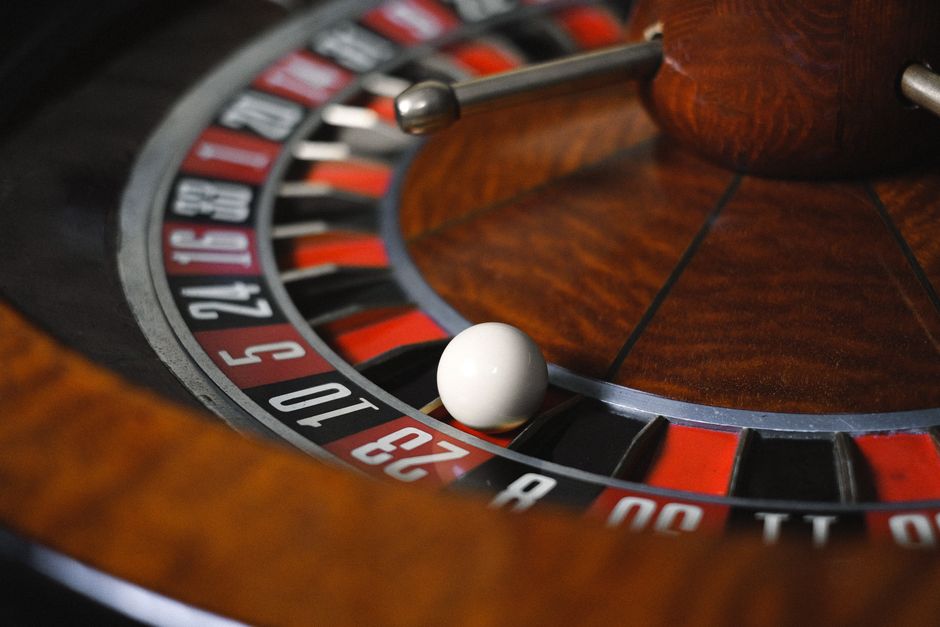
Ask ten gamblers why they play, and you'll get ten different answers. Some love the adrenaline spike of a dealer flipping an ace on blackjack. Others chase the hypnotic spin of a slot reel. A smaller crowd grinds poker tables for hours, treating the whole thing like a part-time job. But underneath all those preferences sits a brutal truth: the games are not created equal. Some reward patience and study. Others reward nothing but timing and luck. Knowing which is which might be the single most valuable thing you can learn as a player.
Every casino game carries a mathematical advantage for the house. Run enough hands, spins, or rolls, and the casino keeps a predictable slice of everything wagered. The size of that slice is your house edge, and it varies wildly from game to game.
Consider these typical edges on standard rules:
That gap between 0.5% and 25% is enormous over a session. Ten thousand dollars through a blackjack table with perfect play costs you about fifty dollars in expected value. The same amount through a keno counter evaporates more than two thousand. The game you choose matters more than the strategy you bring to it.
Poker is the outlier in the gambling world because you play against other people, not against the house. The casino takes a rake, but your edge comes from exploiting opponents. That means decisions, not randomness, dictate your long-term results. For more on this, see slot dana.
Good poker players think in terms of ranges rather than specific hands. They track position, pot odds, and betting patterns. A solid player at a low-stakes table might win 5 to 10 big blinds per hundred hands over thousands of hands. Bad players lose at similar rates. Over a single night, anyone can win. Over a year, the better decision-makers pull ahead.
Blackjack sits in a middle category. The cards are random, but your choices aren't. Learning basic strategy and never deviating from it shaves the house edge down to something close to even. Card counting can push it into positive territory, though casinos watch for it closely and can ask you to leave. If you're not counting, treat blackjack as a low-edge chance game rather than a skill game.
Slots are pure chance. You cannot influence a spin. The random number generator fires thousands of times per second, and your button press locks in whatever number comes up. No hot machine, no cold machine, no pattern in the last twenty spins.
What you can influence is which slot you play and how you bet.
A player who understands RTP and volatility will stretch the same bankroll twice as long as someone mashing max bet on a 90% RTP machine.
Some games leave no room for skill whatsoever. Craps pass-line bets are close to fair but you have zero control over the dice. Keno, lottery draws, and bingo are pure numbers games. Even in these formats, though, you can reduce your exposure by choosing bets with lower house edges and avoiding the lottery-style long shots that most players gravitate toward.
The lesson isn't that luck games are unplayable. It's that you should treat them as entertainment spending, not investment. Set a hard loss limit before you start and walk away when you hit it. The players who get burned are the ones who chase losses on games they can't influence.
Nobody posts about bankroll management on social media because it's boring. But it's the single habit that separates players who last from players who quit broke. Pick a number you can afford to lose, split it into session chunks, and never touch money you need for rent, bills, or food.
A rule of thumb: size your average bet at 1% to 2% of your overall bankroll. If you have a thousand dollars set aside, your typical bet should sit between ten and twenty dollars. This keeps variance from wiping you out during a normal downswing.
The casino floor is a buffet of mathematical experiences. Some of them are stacked against you slightly. Some are stacked against you brutally. A few, particularly poker against weaker opponents, can actually flip in your favor. The wise player treats each game differently, brings the right skillset to the table, and never forgets that understanding the math is the only edge that never expires. Luck will always play its role, but the players who last are the ones who know exactly how much luck they need.
Ask ten slot players what RTP means and you'll get ten different answers, most of them wrong. "It's the percentage...
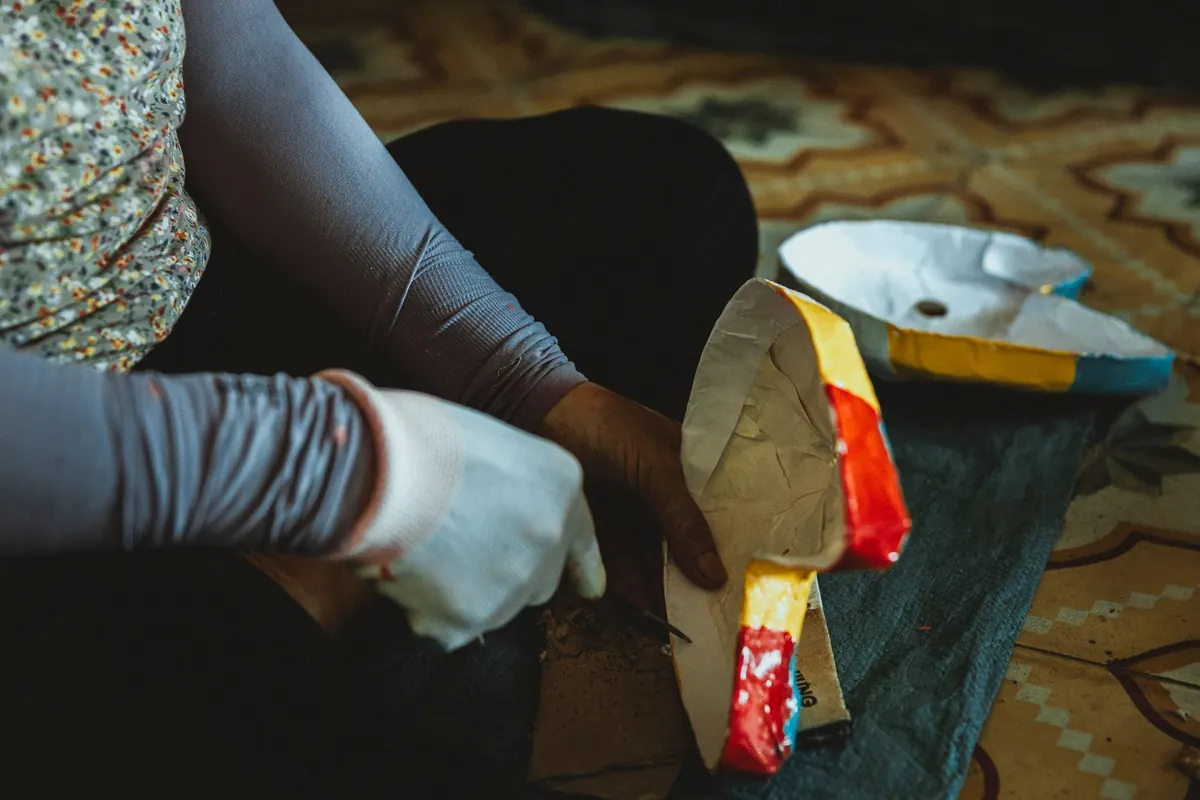
Turn recycled paper, flour paste and patience into a lightweight owl sculpture. A step-by-step beginner's guide to...

Bind a handmade falconry journal with raptor motifs and printed record pages — a weekend project that turns a...

Handcrafted art inspired by birds of prey.
