
A hawk's first season deserves better than a phone full of half-finished notes. A handmade journal gives you somewhere proper to record weights, flights, weather and moult — and it costs less than a decent pair of gloves. This is a bookbinding project you can finish over a weekend, built around a bird you know well. Sew it blank and fill it as the season unfolds, or print your own record pages first and bind those in. Either way you end up with something worth handing on to the next falconer in the family.
Beginners usually fixate on the cover. The part you actually touch every day is the paper, so choose it first. Look for acid-free or pH-neutral stock between 100 and 120gsm. Anything lighter feels flimsy and lets ink ghost through; anything much heavier will crack along the fold after a few dozen creases.
An A5 page suits a falconry bag far better than A4, and it gives you roughly 15cm of writing width once the spine and trim are taken off. Cut your sheets a little oversized — say 15cm by 21.5cm — so you can trim the finished block square at the end.
Paper has a direction, and folding against it produces a lumpy spine that never sits flat. Fold a sheet one way, then the other. The fold that feels smoother and springs back more cleanly is with the grain. Cut your sheets so that fold runs parallel to the spine. If you buy A4 reams, the grain usually runs along the long edge, which is why cutting down to A5 works neatly.
Test your pen on an offcut. Fountain pen with a pigment ink behaves beautifully on uncoated stock and stays legible if the page gets damp in a field bag. Iron gall inks are water-resistant but best avoided on anything you want to keep for decades.
Work in sections — four folded sheets nested together gives you sixteen pages. Six sections makes a solid ninety-six page journal, which is about right for a season. Press the folded sections under a heavy board overnight before you sew.
Two millimetre greyboard cut 3mm larger than the block on all three open edges gives a cover with a proper turn-in. Cover it in book cloth, linen or a mid-weight leather. Keep the decoration to one strong element rather than five weak ones.
For endpapers, marbled paper in slate and rust tones echoes a hawk's plumage without ever showing the bird itself. Tip them in with a thin bead of PVA along the fold, and always let them dry before closing the book.
Printed headers save you redrawing columns all season. Set them up on the computer, print onto your chosen stock, then fold and collate as usual. A practical set might include:
Weights and feeding sit close to welfare. Use the journal to record what you observe accurately, and take anything that worries you to a vet experienced with birds of prey rather than adjusting a diet on your own.
Write the bird's name and the date of its first flight inside the front cover. Add a tipped-in photograph, a feather found on a memorable day, or a ribbon marker in your own colours. An elastic closure keeps loose quarry feathers and slips of paper from escaping in a bag. Emboss initials on the front board with a heated handle and a letter set, practising on scrap board first — there is no undoing a burn.
You need an awl, a bone folder, a craft knife, a steel rule, a cutting mat, a needle, linen thread, PVA, mull, greyboard, cover material and something heavy to press with. That is an afternoon's shopping and a weekend's work.
Bind one rough journal first. Use cheap paper, a plain cover and no decoration. Sew it, press it, and see how the spine behaves when you open it flat. Your second attempt will be better, and by the third you will be making them as gifts for the falconers who have helped you along the way.
Photo: Polina ⠀ / Pexels
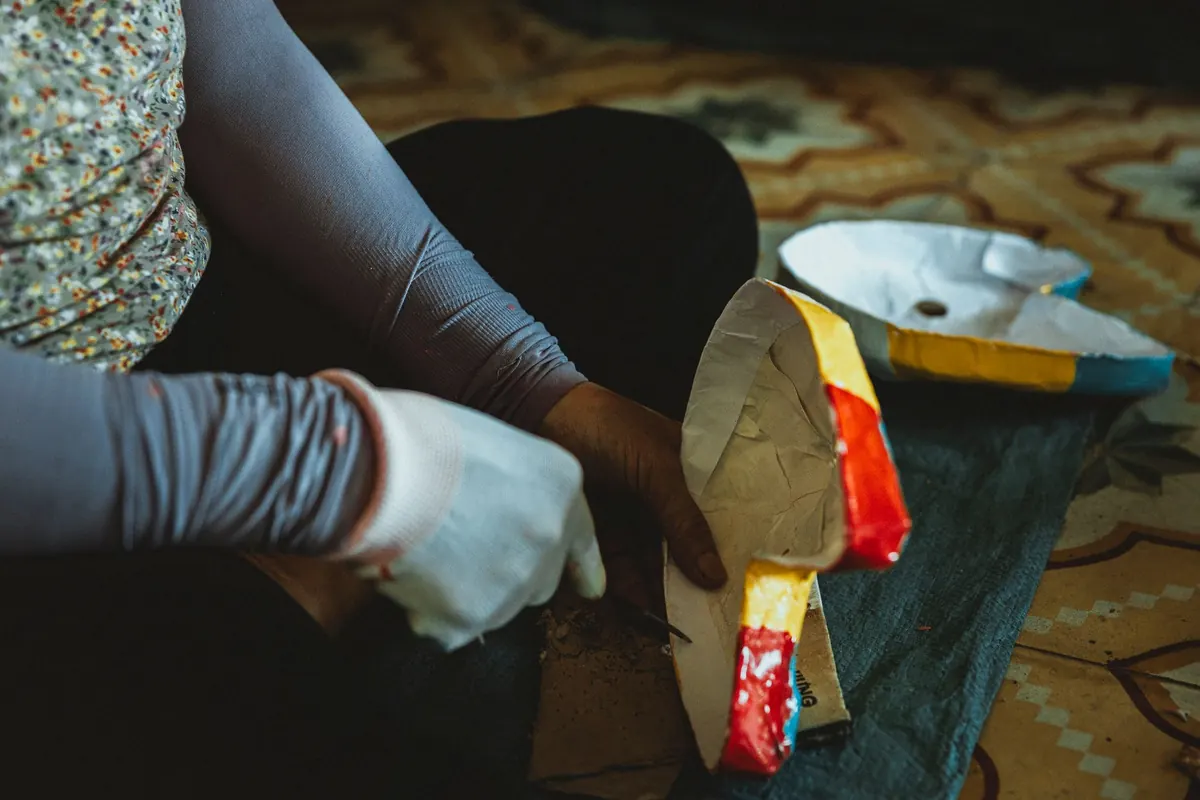
Turn recycled paper, flour paste and patience into a lightweight owl sculpture. A step-by-step beginner's guide to...

Where to sketch live birds of prey in the UK, from red kite feeding hides to falconry displays, plus field technique...
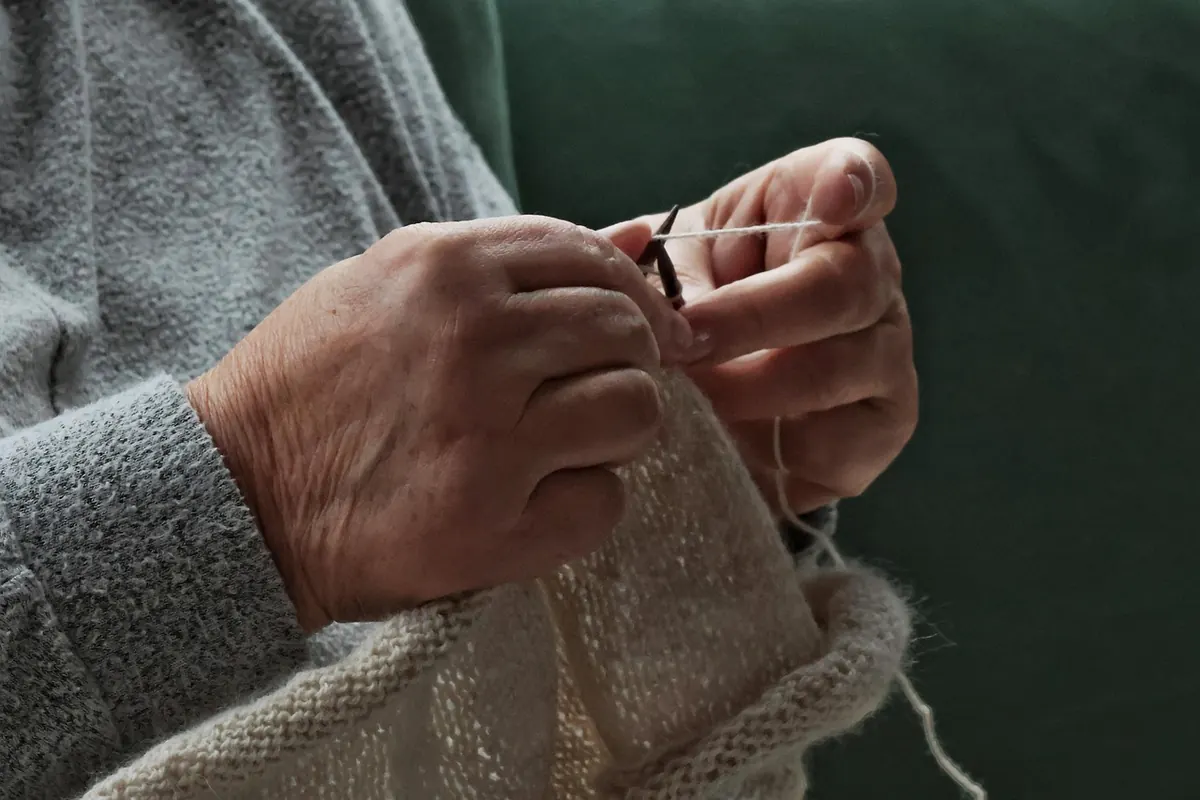
Turn a charity-shop wool jumper into a felted buzzard cushion: shrink the knit, cut a convincing silhouette, then...

Handcrafted art inspired by birds of prey.
